Feeling well does not rule out hepatitis
Hepatitis B and hepatitis C are viral infections that affect the liver. Either can become long term and lead to serious liver damage. Many people have no clear symptoms early in infection, so feeling healthy is not a reliable way to know your status. Testing is the starting point for an informed care plan. WHO: hepatitis B; WHO: hepatitis C.
How are hepatitis B and C different?
Hepatitis B can spread through infected blood and certain body fluids, including during childbirth. A vaccine can prevent hepatitis B. If you are unsure whether you have been vaccinated, ask a healthcare professional about your records and the appropriate next step. Source: WHO hepatitis B fact sheet.
Hepatitis C spreads mainly through exposure to infected blood. There is currently no vaccine for hepatitis C, but antiviral treatment can cure the infection in many people. A positive hepatitis C antibody result does not by itself confirm current infection; an additional test is needed. Source: WHO hepatitis C fact sheet.
Questions to bring to your consultation
- Which hepatitis tests are appropriate for my history?
- Do I need hepatitis B vaccination or further vaccine doses?
- If a test is positive, what confirmation and liver assessment are needed?
- What follow-up or treatment should I discuss?
Bring previous laboratory reports, vaccination records and a list of medicines or supplements. Tell the clinician about any previous diagnosis, possible blood exposure, pregnancy or family history that may affect the assessment.
Prevention and early assessment
Avoid sharing needles or equipment that may carry blood, and use healthcare services with safe injection practices. Discuss hepatitis B prevention during pregnancy with your maternity team. Vaccination protects against hepatitis B; it does not protect against hepatitis C. WHO prevention guidance; WHO hepatitis C prevention.
If you notice yellowing of the eyes or skin, dark urine or persistent abdominal symptoms, arrange medical assessment. These symptoms can have several causes and need clinical evaluation.
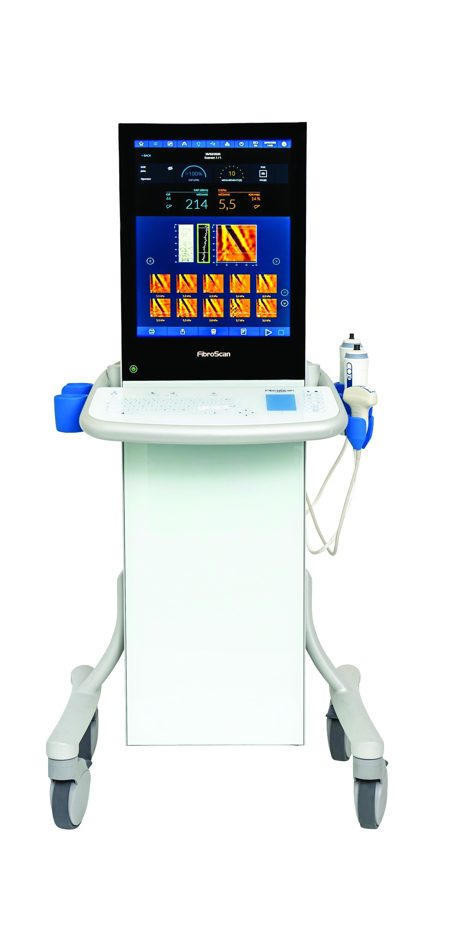
Dhiblawe Hospital brings together liver consultation, laboratory testing and imaging and FibroScan services. Contact the clinic to discuss an assessment rather than choosing tests or medicines on your own.
General patient information. Follow the instructions given by your own healthcare professional.
Back to all articles →